Locked-Room Mysteries…what are they?
Ever since I picked up The Decagon House Murders by Yukito Ayatsuji last summer, I have been obsessed with locked-room mysteries. But what are they exactly? And what makes them incredibly compelling, thought-provoking and enticing to read?
Locked-room mystery
A locked-room mystery is defined as a crime committed within and inside a sealed location from which no one can escape. [1] An example of this could involve a dead person being found in a room with no windows, doors or visible entryways, or a wound a person inside a locked room could have received, but the weapon used is not physically present. The rooms themselves are usually inside a house, tower, or some building.
The locked room itself is typically part of the mystery; it enhances an impossible situation that requires both the characters and the readers to figure out how the location is used for the execution of a particular crime.
Some people also refer to locked-room mysteries as ‘impossible crimes’ since the locked-room aesthetic plays a big part in making crimes committed in these places “impossible” to solve. I don’t really think the two terms are synonymous with each other, however, since the crimes eventually do get solved. Having said that, these crimes are often deemed “impossible” because they only appear as if they are. There always is a solution to an impossible crime, but usually as a ‘miracle’—there are no logical or sensical solutions that are possible for it to happen.
So…what’s the difference between a ‘locked-room mystery’ and a thriller and/or mystery involving a group of people stuck on an island with no way out?
Earlier, we established that a locked-room mystery requires a crime scene involving a location that is sealed and which doesn’t contain any visible entryways or entry points. It also typically involves a group of people suspected of the crime that took place in these locations.
But what is the difference between a group of suspects confined to a sealed building and another stuck on an island with no way out?
The group stuck on an island is typically referred to as a ‘closed circle’, which is a plot device of the murder mystery genre. You could say that any murder mystery could involve a group of people on a secluded island, but not all ‘closed circle’ narratives are part of a locked-room mystery. Another way to look at it is that those involved in a ‘closed circle’ story are stuck somewhere, but not stuck inside or isolated within the walls of a room or building.
The Golden Age of Mystery and Detective Fiction
This was an era between the 1920s and the 1930s, where the conventions of the mystery genre were influenced and established by many British authors, including Agatha Christie, Dorothy L. Sayers, Margery Allingham, and Ngaio Marsh. [2]
The most popular mystery conventions we have now, notably the clue-puzzle format and “whodunnit” structure, originated during this time period. We are blessed to have murder mystery books where both the characters and the readers are given clues to solve crimes because of these authors introducing them to us.
Shin-Honkaku
Shin-honkaku (otherwise known as the Japanese “New Orthodox”) is a logic-mystery genre which emerged in Japan in the 1980s, where 3-D puzzles and the concept of the locked-room mystery were introduced and often used in Japanese murder mystery books. [3] According to Shimada Soji, author of The Tokyo Zodiac Killings, the concept of ‘honkaku’ means many of these types of mysteries are “not only literature but also, to a greater or lesser extent, a game.” [4] This means honkaku books are interactive and provide resources for the characters and readers to be able to engage with and solve the crimes focused on, such as a list of characters, blueprints, diagrams, and floor plans.
The surging interest in this genre has garnered many fans (including myself!), enabling many of these novels to be translated into English and other languages for everyone to read.
Okay, so we know where the genre came from, but what about locked-room mysteries makes them interesting and compelling to read?
Locked-room mysteries are fair play
The narratives of locked-room mysteries are ‘fair play’; both the readers and detectives in the stories are given the same clues to solve their respective crimes. This can be fun in many ways as we get to solve the mystery alongside the characters, and it challenges us to try and figure out how it’s done before they do.
The supernatural cannot be used as a solution
Typically, none of the solutions can involve anything supernatural, as they need to be logical, practical, and feasible. This also keeps locked-room mysteries focused on elements that already exist (e.g., the suspects, people, architecture, etc.), as supernatural concepts are far-fetched and highly unrealistic.
However, I think some authors and books have been close to breaking this rule (I’m looking at you, The Clock House Murders!). But either way, the supernatural as the answer to a crime is not really used in these kinds of mysteries.
Locked-room mysteries can have a gothic and supernatural vibe to them
I know I’ve just said that locked-room mysteries cannot have solutions involving the supernatural, but that doesn’t mean they can’t incorporate supernatural or gothic-esque vibes and atmospheres into them. In fact, the supernatural is often used as a plot device to keep a narrative going and make us believe it is the only solution to a crime. Ghosts and spirits are typically used as substitutes for murder, and, if written cleverly enough, can be enough to spook us and make us believe it to be true.
I’m officially convinced! Which locked-room mysteries would you recommend I read?
The Three Coffins by John Dickson Carr
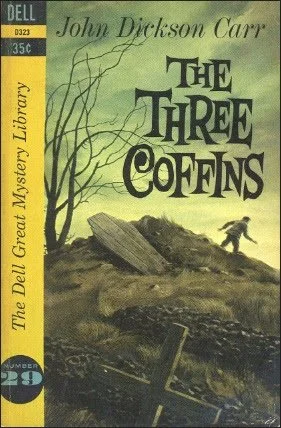
If you want to experience the OG of the original locked-room mystery books, then definitely pick up The Three Coffins (also known as The Hollow Man) by John Dickson Carr. This one contains all the elements of the locked-room mystery that I mentioned above, and Carr even gives a ‘locked-room lecture’ on tropes inside. It’s tactical, eerie, yet a fulfilling read. The book is part of a series; however, you can read it as a standalone without needing to read the other books first!
The Tokyo Zodiac Murders by Soji Shimada
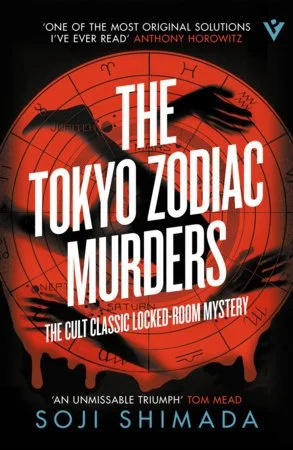
On the other hand, if you want to experience one of the OG Japanese shin-honkaku books, then you should give The Tokyo Zodiac Murders a read. The premise focuses on the diary entries of a murderer and how he planned to kill seven women for a ritual regarding a Japanese goddess. All the clues and hints are laid out for you to solve—can you use them to figure out who the murderer is before their identity is revealed at the end?
Death From a Top Hat by Clayton Rawson
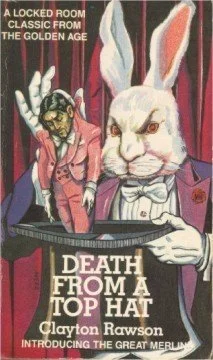
Death From a Top Hat gives a taste of locked-room murders with a touch of magic. We know magicians excel at making the impossible possible with their tricks, so it only makes sense for them to make appearances in books like these too. Rawson shows how dangerous magicians can be when committing murder, and how they utilise performance and dazzling effects to redirect your attention from what should be solved to the illusions they create. This book is a good one to pick up if you feel the urge to unravel a magician’s secrets, especially if they tell you they’ll never reveal them.
And Then There Were None by Agatha Christie
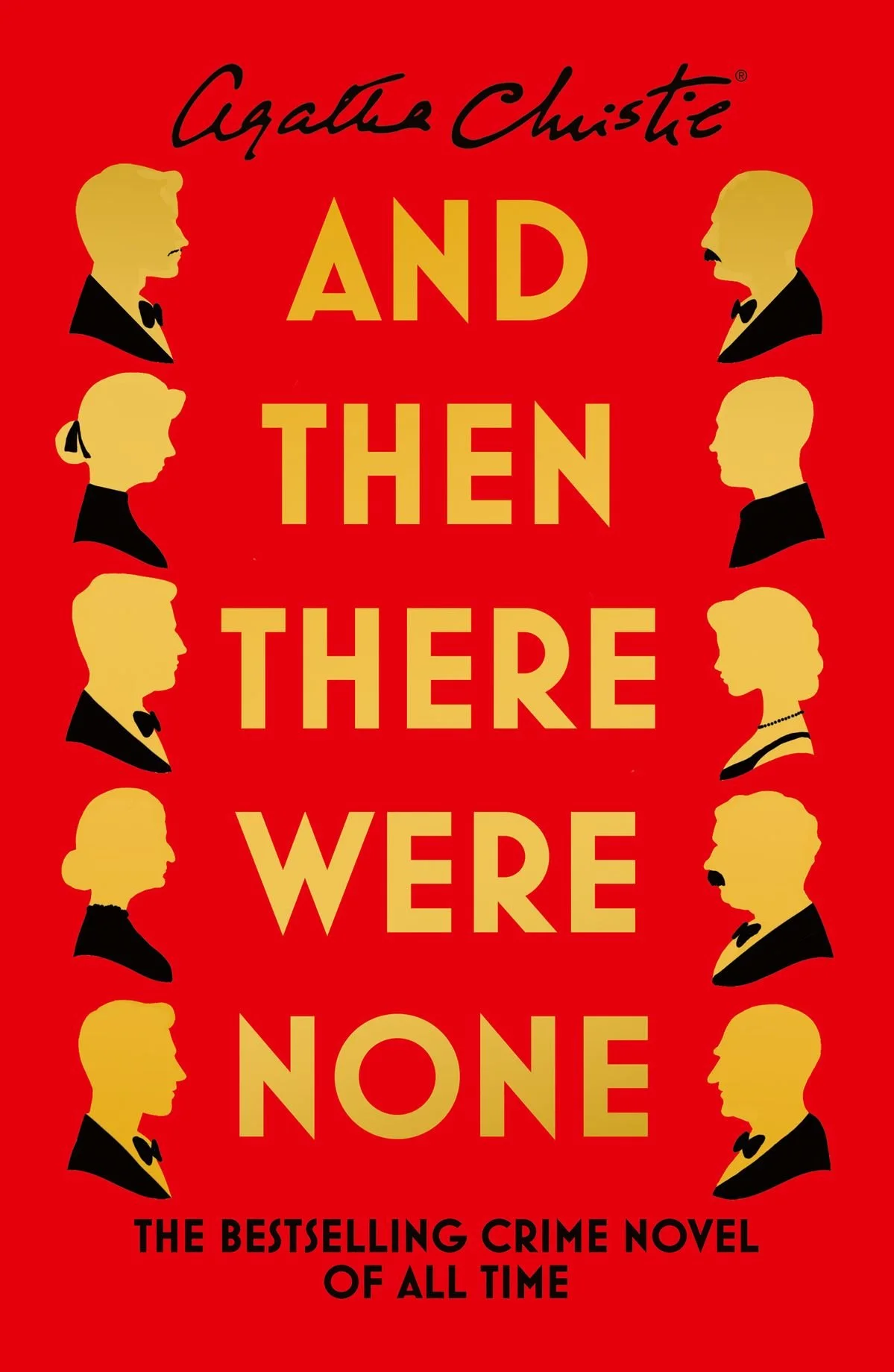
Looking for a specific Agatha Christie book that gives locked-room mystery vibes? Then And Then There Were None is your answer! The book is technically a closed circle narrative, but the conventions within it will give you the same satisfaction as reading a mystery with locked rooms in it. Ten strangers are stuck on an island in this one, but how can they escape it and solve the crime if there isn’t a detective to help them? It’s gritty, unnerving and incredibly suspenseful, definitely one to pick up if you want to see how it all ends.
The Decagon House Murders by Yukito Ayatsuji
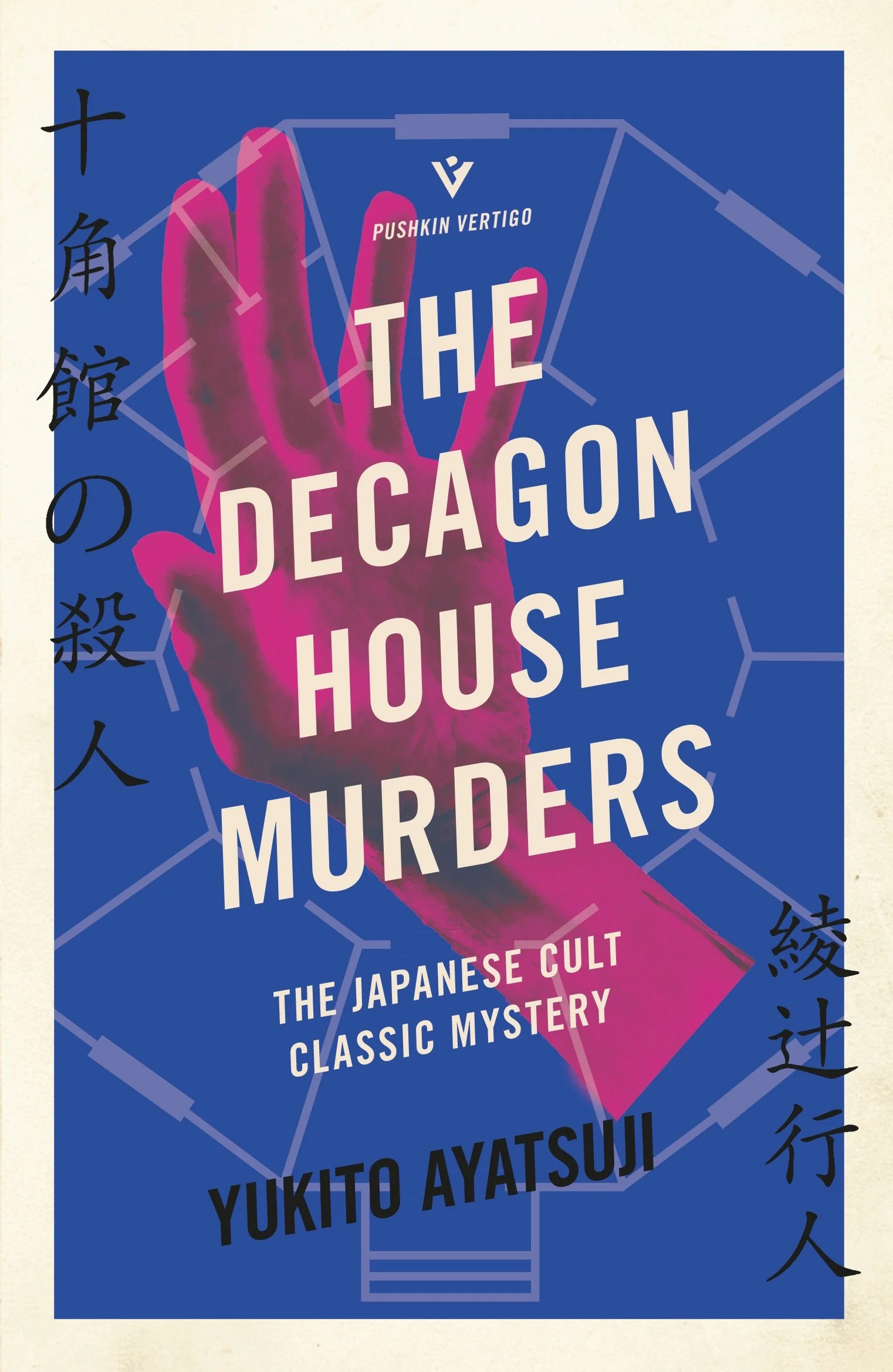
This was my proper introduction to the shin-honkaku genre, and I haven’t looked back since picking up The Decagon House Murders. Ayatsuhi cleverly combines the layouts of architecture with his narratives. He doesn’t disappoint with his stories, and if you read the full series, you’ll be able to witness his experimentation with the locked-room mystery concept in each book. His creativity evidently shines through, making you wish you wrote some of these murder mysteries yourself!
Miraculous Mysteries: Locked-Room Murders and Impossible Crimes Edited by Martin Edwards
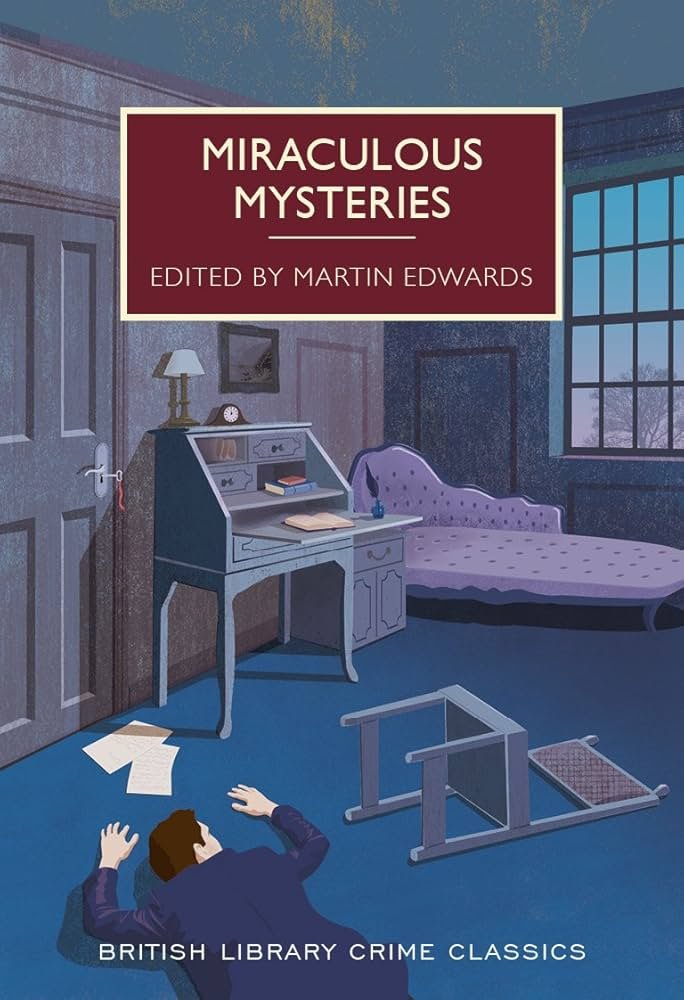
If you’re in the mood for locked-room murder anthologies and want to read locked-room mysteries from your favourite British detective fiction authors, check out Miraculous Mysteries: Locked-Room Murders and Impossible Crimes edited by Martin Edwards. This anthology includes works of Arthur Conan Doyle, G.K. Chesterton, Dorothy L. Sayers, Margery Allingham, and other lesser-known authors, and shows us great examples of how impossible crimes can be created and committed in the pages.
Strange Houses by Uketsu
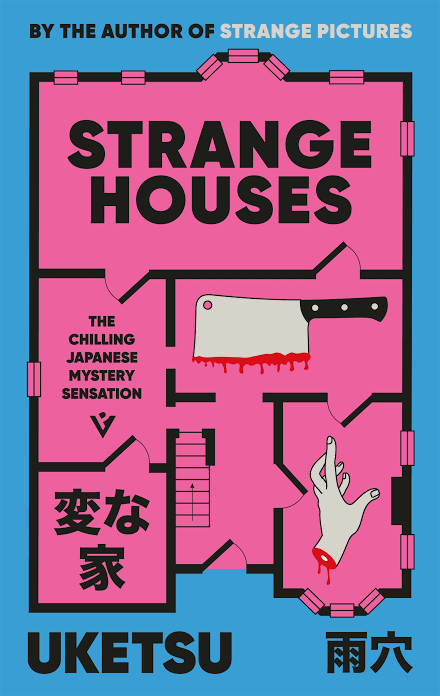
This book was my first foray into the locked-room mystery concept. Although the narrative and its events are fictional, Uketsu writes them in a way that makes them seem real. It’s compelling and addictive; the suspense and occasional creepiness will have you on the edge of your seats and flipping the pages. If you’re into creepypasta stories or want a scare that prevents you from sleeping at night, then this one is for you. If you want more, make sure to check out Strange Pictures and Strange Buildings, too.
So there we have it, a little deep dive into the wonders of locked-room mysteries and what makes them so enticing and enthralling to read. If you feel compelled to pick up a locked-room mystery, choose your pick amongst the ones suggested in this post and let me know your thoughts about them. A good place to find many more Japanese locked room mysteries is by looking at Pushkin Vertigo’s catalogue. The publisher is well-known for housing and translating many Japanese crime fiction, especially shin-honkaku mysteries.
